
Introduction
How long does a disposable vape actually last? The answer depends on several factors, including the device's advertised puff count, battery capacity, e-liquid capacity, the duration of each puff, and the overall condition of the device.
The puff count printed on a device does not necessarily mean that every user will achieve the same number of puffs during everyday use. Advertised puff counts are generally estimates, and actual results can vary significantly.
Understanding how disposable vapes work can help explain why some devices may stop producing vapour earlier than expected, even when their packaging advertises a relatively high puff count.
1. What Does the Advertised Puff Count Mean?
The puff count printed on disposable vape packaging refers to the estimated number of inhalations a device can provide under specific testing conditions.
For example, a device advertised as delivering up to 9,000 puffs does not necessarily mean that every user will achieve exactly 9,000 puffs. Similarly, an ALIBARBAR 9000 Puffs device may not always deliver precisely 9,000 puffs under real-world conditions.
Actual results may be influenced by several factors:
Puff Duration: The length of each inhalation can affect how much e-liquid and battery power are consumed.
E-Liquid Consumption Per Puff: Different usage patterns may result in different amounts of e-liquid being consumed.
Power Output and Heating System: Differences in device components and heating system designs can affect energy consumption.
Battery Performance and Internal Components: Battery deterioration or problems with internal components may affect the device's operating lifespan.
Puff Count Testing Methods: Different testing procedures and conditions may produce different results.
Therefore, a higher advertised puff count does not necessarily mean that the device's actual operating lifespan will increase proportionally.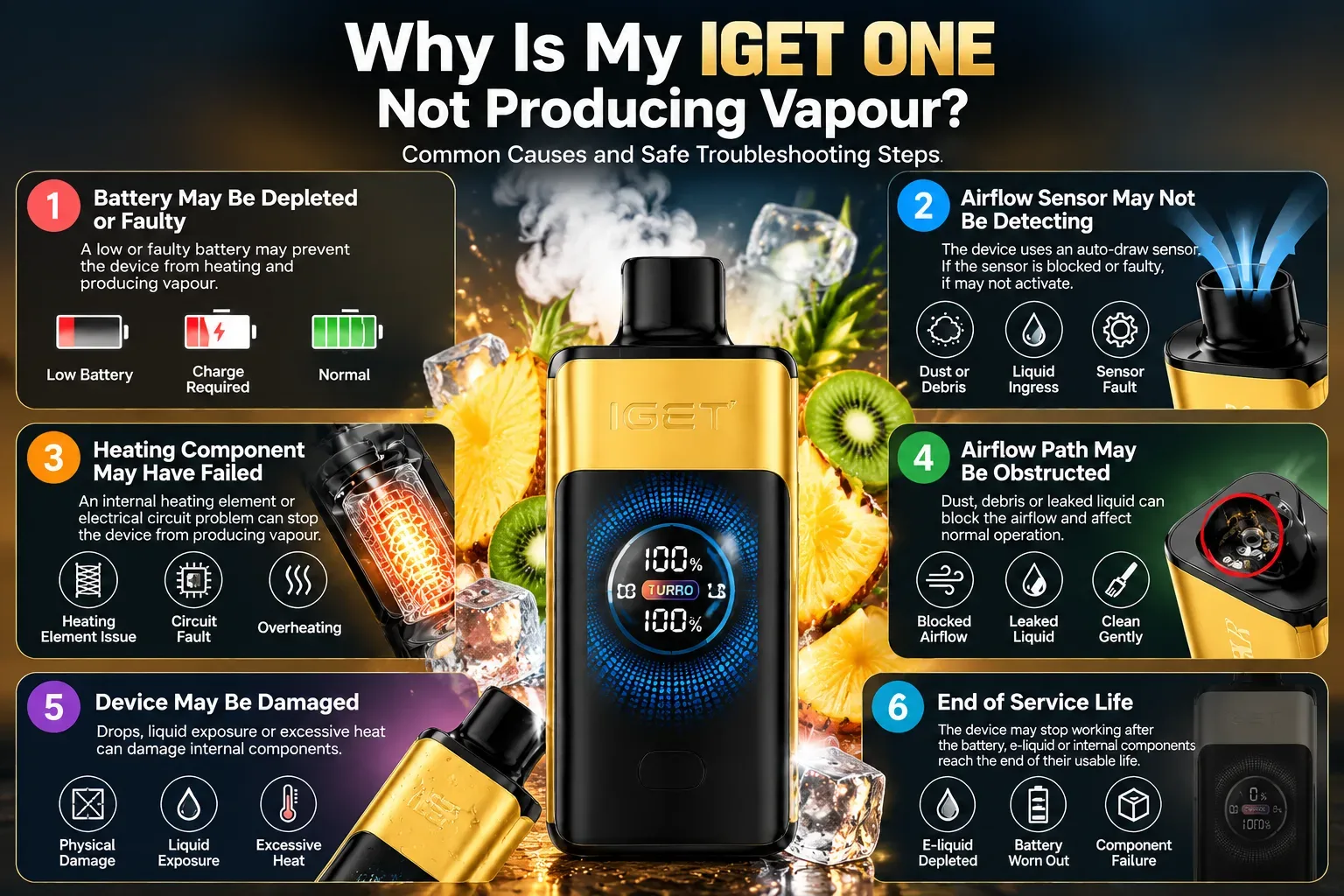
2. What Factors Affect Disposable Vape Lifespan?
Puff Duration and Frequency
Generally, the longer an inhalation lasts, the longer the heating system remains active. This may result in more e-liquid being consumed with each puff.
As a result, even when two people use devices with the same advertised puff count, their actual operating lifespans may differ considerably.
Battery Capacity
Battery capacity is typically measured in milliamp-hours (mAh), which indicates the amount of electrical charge a battery can store under specified conditions.
However, battery capacity alone cannot accurately determine how long a disposable vape will last.
Actual operating lifespan also depends on power consumption, battery condition, heating system efficiency, and the amount of e-liquid remaining.
This means that the mAh rating should not be used as the only indicator of a device's expected operating time.
E-Liquid Capacity
For a disposable vape to produce vapour, its electrical system must function properly, and there must be enough e-liquid available for the heating system to generate an aerosol.
If the e-liquid has been depleted, the device may stop producing vapour even if some battery charge remains.
Conversely, if the battery runs out of power or develops a fault, the device may stop working even when e-liquid is still present.
Device Condition and Storage Environment
Physical damage, excessive heat exposure, liquid leakage, and declining battery performance can all affect how a disposable vape operates.
Devices should be stored according to the manufacturer's instructions and kept away from excessive temperatures.
If a device shows signs of battery swelling, unusual overheating, leakage, or visible physical damage, it should no longer be used or charged.
3. Why Can a Disposable Vape Run Out Before Reaching Its Advertised Puff Count?
Several factors may explain why a disposable vape stops working before reaching its advertised puff count.
| Possible Cause | Explanation |
|---|---|
| Longer Puff Duration | Each puff may consume more e-liquid and battery power. |
| Different Testing Conditions | Laboratory puff count estimates may not accurately reflect everyday usage. |
| Battery Depletion | The device may no longer have sufficient electrical power to operate. |
| E-Liquid Depletion | Insufficient remaining e-liquid may prevent the device from producing vapour. |
| Internal Component Failure | Problems with sensors, heating elements, or electrical connections may cause the device to stop functioning. |
| Improper Storage or Physical Damage | Heat exposure, impact, or other types of damage may affect device performance. |
Therefore, advertised puff counts should be understood as estimates rather than guarantees of the exact number of puffs a device will deliver.
4. Can Battery Life and E-Liquid Life Be Different?
Yes. Battery capacity and e-liquid capacity are two separate factors that work together to determine whether a disposable vape can continue operating.
A device may stop functioning because its battery is depleted, its e-liquid has run out, or an internal component has developed a fault.
Some devices are equipped with screens or indicator lights that display battery levels or estimated remaining e-liquid.
However, these indicators may not always provide completely accurate information about the actual remaining capacity.
If a device behaves abnormally, users should refer to the manufacturer's instructions.
Do not attempt to dismantle the device, replace internal components, or modify its battery.
5. What Should You Do When a Disposable Vape Stops Working?
When a disposable vape stops functioning, avoid repeatedly attempting to activate it in an effort to restore normal operation.
Attempting unauthorised repairs or modifications may cause further damage to the device and create additional safety risks.
The following precautions should be considered:
Check the manufacturer's instructions to understand how the device is intended to operate.
Do not attempt to charge the device unless it is specifically designed to be rechargeable.
Stop using the device immediately if it shows signs of overheating, leakage, battery swelling, or physical damage.
Do not dismantle the device or attempt to remove its internal battery.
Follow local battery recycling and electronic waste disposal guidelines. Disposable vapes should not be placed directly into household rubbish bins or standard recycling bins.
In Australia, waste disposal requirements and available recycling services may vary between states, territories, and local council areas.
It is recommended to contact your local council or an appropriate battery recycling service for guidance on safe disposal methods.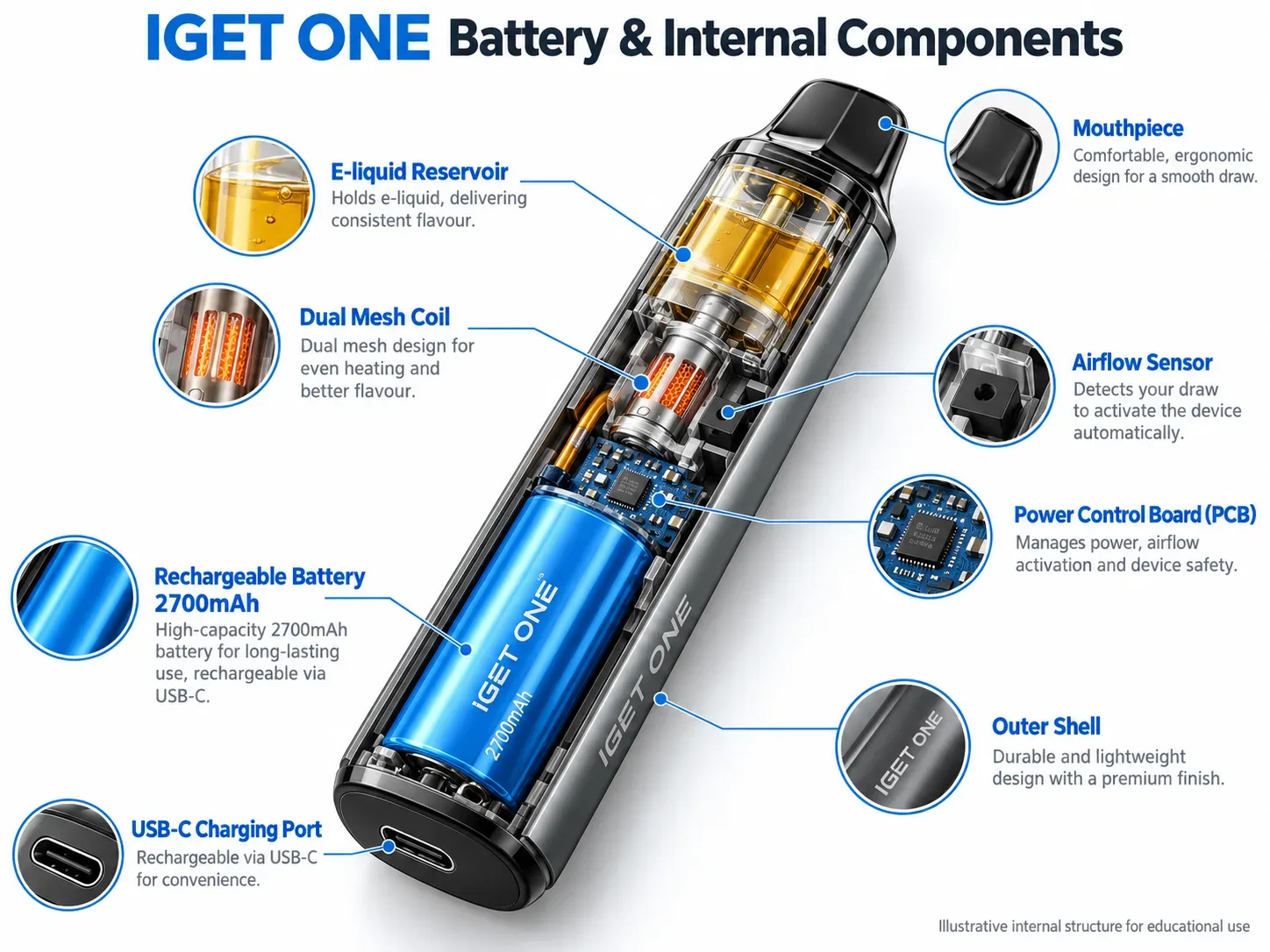
Frequently Asked Questions (FAQ)
How long does a disposable vape actually last?
There is no single answer that applies to every disposable vape.
Actual operating time depends on device design, advertised puff count, battery capacity, e-liquid capacity, usage patterns, and overall device condition.
The advertised puff count alone cannot accurately predict how many days a device will last.
Does a higher puff count mean a longer lifespan?
Not necessarily.
A higher advertised puff count indicates that a device is estimated to deliver more inhalations under specific testing conditions.
However, differences in device design and individual usage habits may significantly influence the actual results.
Why does my disposable vape stop working when there is still e-liquid inside?
Possible causes include battery depletion, heating element failure, airflow sensor problems, or electrical faults.
Having e-liquid remaining inside the device does not necessarily mean that it can continue operating normally.
Can a disposable vape run out of battery before the e-liquid is finished?
Yes.
Battery depletion and e-liquid depletion are separate processes.
Either one can prevent a disposable vape from functioning normally, even if the other component still has remaining capacity.
Are advertised puff counts guaranteed?
No. Advertised puff counts are generally estimates rather than exact guarantees.
Actual results may differ from the numbers printed on the packaging because of the various factors discussed above, including puff duration, battery performance, e-liquid consumption, and device condition.
What should I do if my disposable vape battery swells?
Stop using or charging the device immediately.
Do not puncture, crush, or dismantle the battery or device.
Contact an appropriate battery safety or waste disposal service for guidance and follow local emergency safety recommendations.
If the device begins smoking, making hissing noises, or becoming dangerously hot, seek emergency assistance immediately.
Conclusion
The actual lifespan of a disposable vape depends on more than just the advertised puff count printed on its packaging.
Puff duration, battery capacity, e-liquid capacity, device design, and overall operating conditions all influence how long a device can function.
Understanding these factors helps explain why real-world results may differ from advertised puff count estimates.
At the same time, safe handling and responsible recycling or disposal are important considerations when a disposable vape reaches the end of its operating life.