
Reading IGET Bar Pro specs is mostly an exercise in knowing which numbers survive contact with daily use. Stripped back, the Bar Pro is a sealed disposable rated to 10,000 puffs, sold in 24 flavours, with a compact body and a noticeably tighter draw than the taller IGET One 12000. Body size and draw resistance are what you feel daily; the puff rating is a testing convention, not a promise.
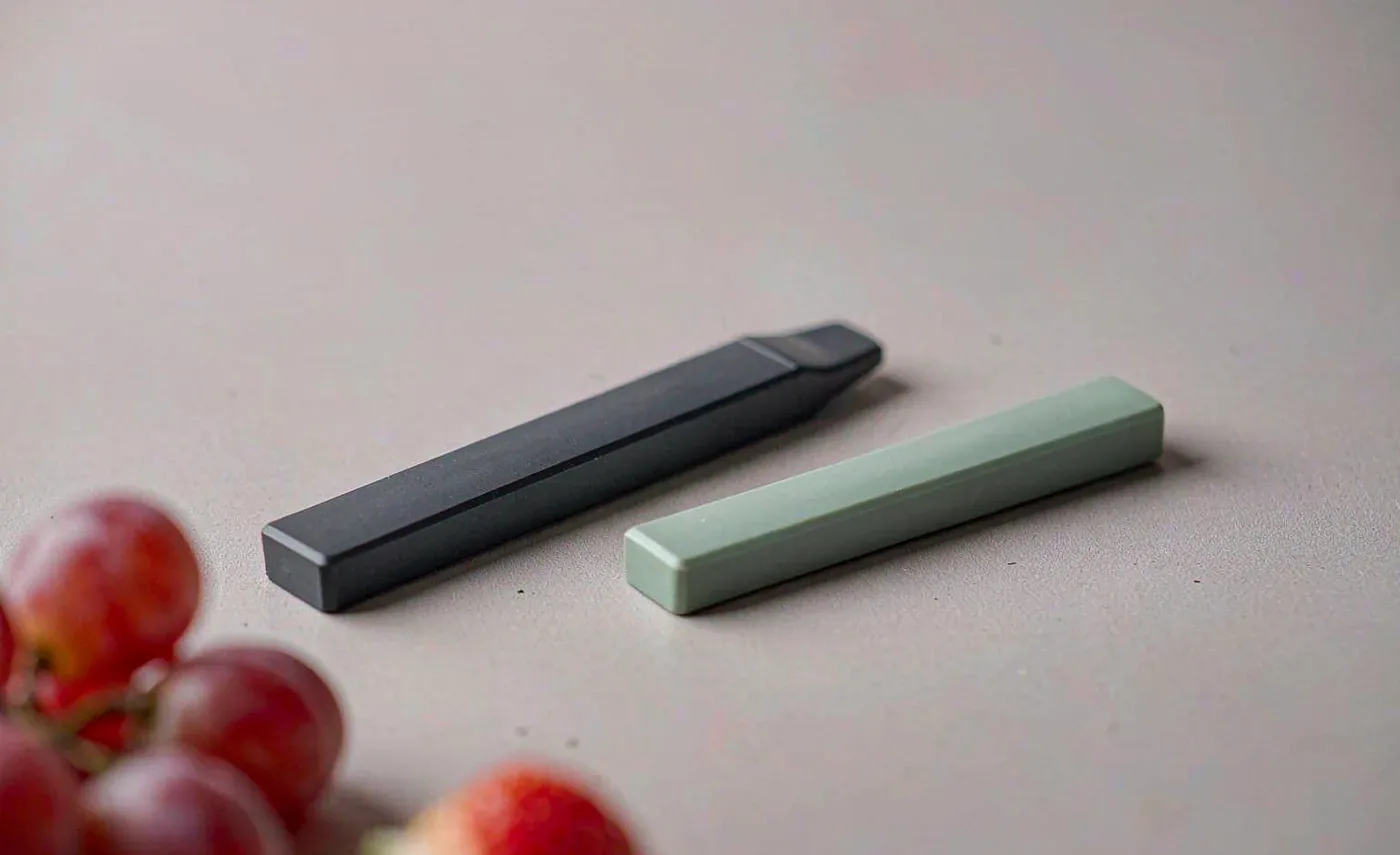
The two body formats side by side: the compact IGET Bar Pro and the longer IGET One 12000.
What the 10,000 puff figure actually measures
Puff ratings come from laboratory protocols, not from real throats. Machines draw at a fixed duration — usually one to two seconds — with a set interval between puffs, then extrapolate until the wick runs dry. A relaxed two-second machine draw is not the same as the short, hard pulls many people take, or long draws that heat the coil for four seconds.
In practice most adults get 60 to 85 percent of the rated figure. That is not a defect, it is arithmetic. Our explainer on how long a disposable vape actually lasts converts that into days. Treat 10,000 as a class label — a long-life device — not a counter you can spend.
Body length and draw: the specs you feel
The IGET Bar Pro 10000 is short and slightly wide, a shape that sits flat in a jeans pocket and does not dig in when you sit down. The trade-off is a smaller internal reservoir than the IGET One 12000, which is why the ratings differ.
Draw resistance is the more interesting spec and the one least often printed. The Bar Pro pulls tight — closer to a cigarette than to the open inhale of the One. If you came from smoking, that tightness feels familiar immediately. If you started on a loose-draw disposable, the first day can feel as though the device is struggling; it is not, just a different airflow geometry, deliberately tuned.
Battery and status light behaviour
The unit is sealed: no refill port, no replaceable cell, no settings. What you get instead is a status light, and that light is the closest thing the Bar Pro has to a diagnostic channel. A steady glow on inhale means normal operation; rapid blinking usually means the cell has dropped below cutoff. Our guide to what a blinking light on an IGET means covers the patterns, because the same blink can mean two different things depending on when it appears.
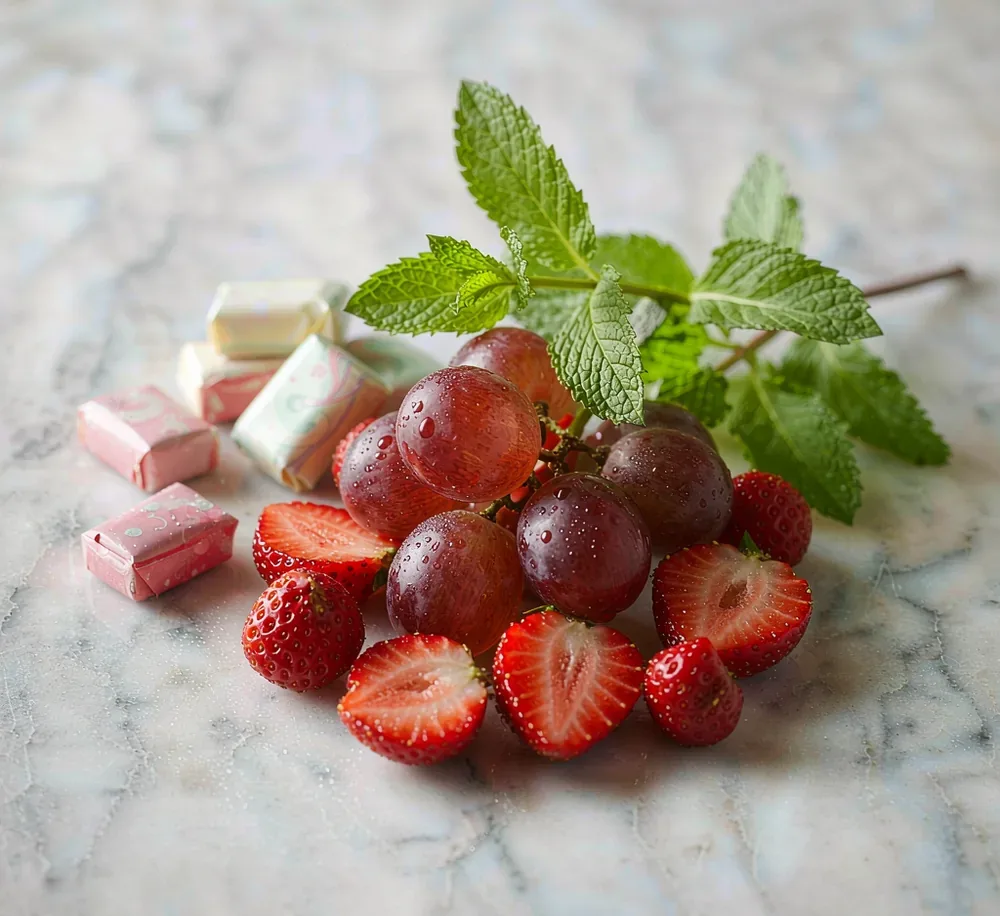
Fruit and candy profiles that suit the Bar Pro's tighter, warmer draw.
Flavour count is a spec too
Twenty-four options sounds like variety, but it says more about design philosophy: fruit-led profiles, ice-heavy variants and a small candy cluster, all built around the same hardware. Hardware sets the ceiling on flavour — a tight draw delivers a denser, warmer aerosol, which flatters candy and dessert profiles and can flatten delicate citrus. Our breakdown of how Bar Pro flavour names work is worth reading before committing to a box.
Two examples. The Bar Pro Chupa Grape is soft and candy-forward, exactly what the tight draw suits. The Chupa Strawberry is sweeter with a sharper finish and holds up better over a long session than most strawberry blends. If you prefer the larger body, the same logic applies to the One 12000 Chupa Chupps Grape.
What the spec sheet leaves out
Three things matter more than the numbers on the box: consistency — how flat the flavour curve stays from week one to week four; leak behaviour under temperature change; and how well the unit tolerates being carried half-used. None appear in a puff rating.
Storage is the one variable you control. Heat is the main enemy of any sealed lithium cell, and Australian summers are unforgiving. Our notes on hot weather and vape batteries explain why a glovebox is the worst place for a device you intend to keep using.
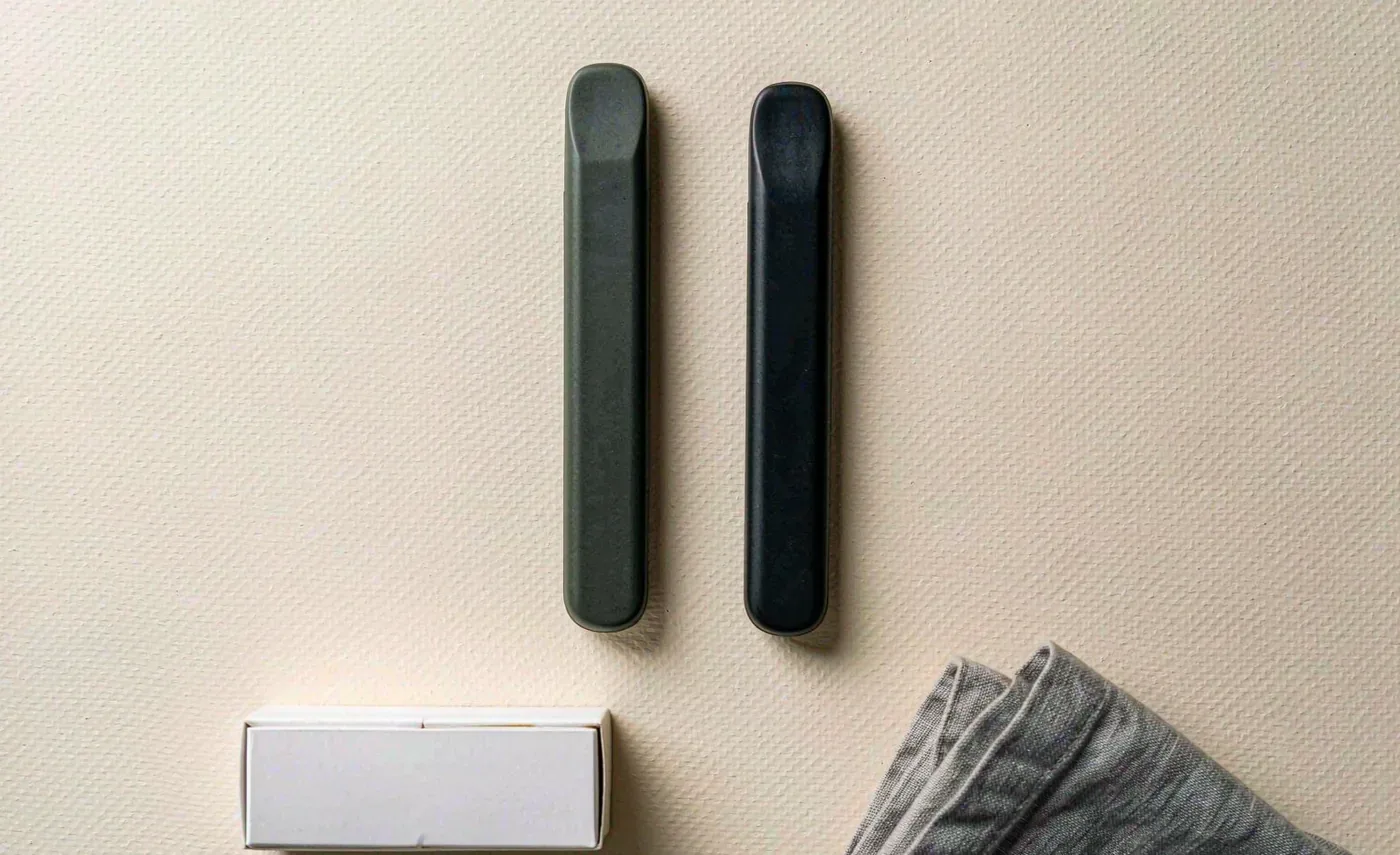
Body, sealed base and packaging — the parts of the spec sheet you can actually see.
Bar Pro versus One 12000, in spec terms
- Rated capacity: 10,000 puffs against 12,000 — roughly a week of difference for a moderate user.
- Body: shorter and wider against taller and narrower; pocket-friendly versus desk-friendly.
- Draw: tight and cigarette-like against open and airy.
- Flavour range: 24 options against a smaller, differently weighted set.
Neither column is better. A device you carry everywhere but use lightly wastes capacity; one that never leaves the house rewards it. Our guide to IGET in Australia places both models in the wider range. This article is for adult users; nicotine is addictive, and availability is subject to Australian regulations.
Frequently asked questions
Does the IGET Bar Pro really deliver 10,000 puffs?
Only under laboratory conditions. The rating assumes short, machine-timed draws at fixed intervals. Real use with longer draws usually lands lower, often 6,000 to 8,500.
Is the Bar Pro smaller than the IGET One 12000?
Yes. It is shorter and a little wider, which is why it carries the lower puff rating. The One's extra length houses more liquid and a larger cell.
Can you refill or recharge the IGET Bar Pro?
No. It is a sealed disposable with no refill port and no replaceable battery. Once the status light blinks rapidly on every draw, the device has reached the end of its life.
Why does the Bar Pro feel harder to draw than other disposables?
Airflow geometry. The Bar Pro is tuned for a tighter mouth-to-lung pull rather than an open inhale. A firm draw is normal; a blocked draw or gurgling usually means the mouthpiece needs clearing.
Last updated: November 2026