
Similar iget flavours usually differ in three things: the fruit base, whether the name points to a candy reference, and how much cooling ("ice") sits on top. Two names that look interchangeable on a menu can sit at very different points on those axes, so reading the name carefully beats guessing from the label. Here are the common look-alike pairs in the IGET range and what actually separates them.
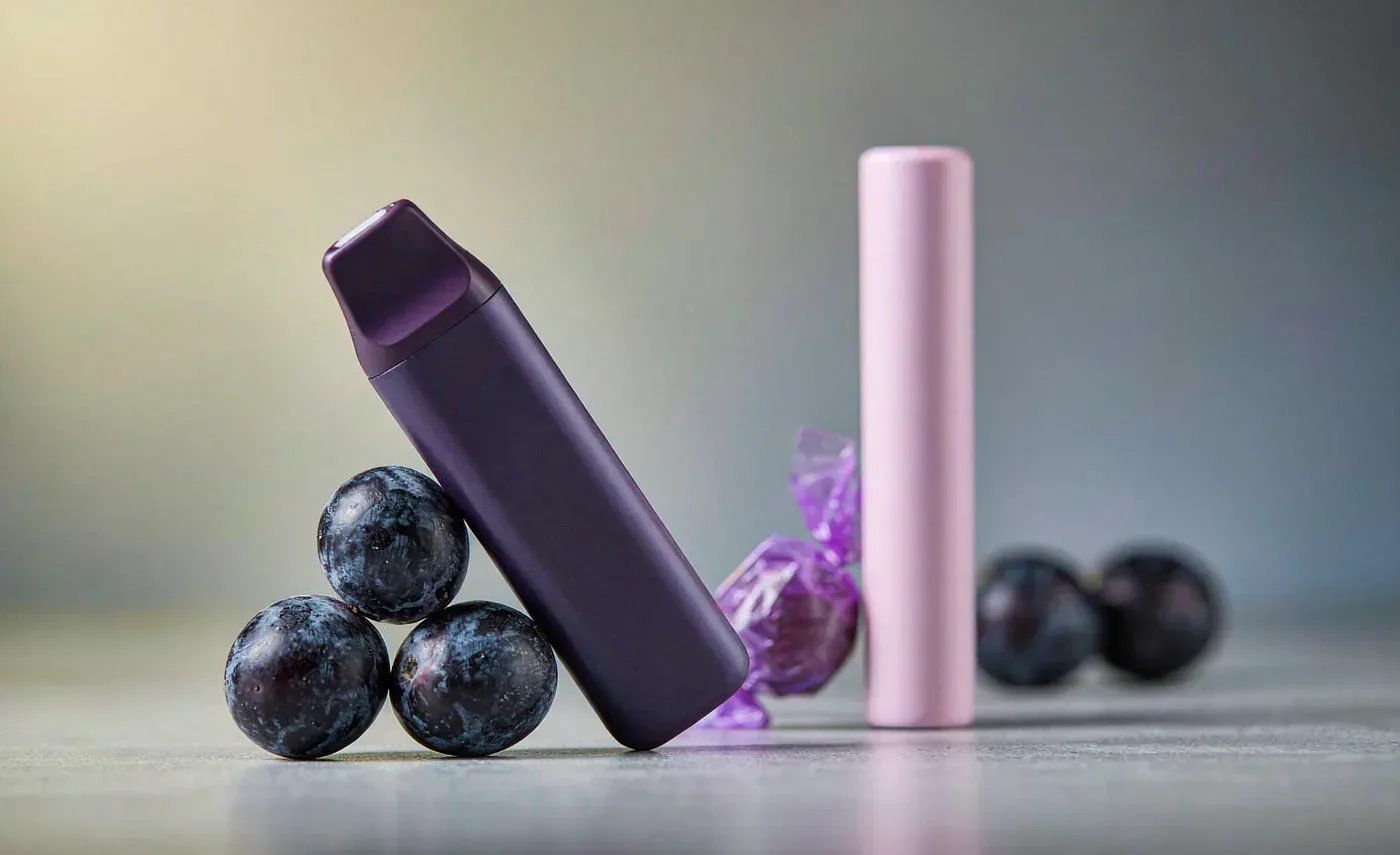
IGET Bar Pro and IGET One devices beside grapes and grape candy, comparing similar grape flavour names
Why So Many IGET Flavour Names Sound Alike
Flavour naming leans on a small pool of familiar words: grape, strawberry, mango, watermelon, plus candy references and cooling suffixes. Across hundreds of variants, overlap is inevitable — names like Chupa Grape next to Chupa Chupps Grape, or several strawberry entries that only diverge in the fine print. The repeated words signal shared DNA; the differing words show where the recipe splits. For the bigger picture, the IGET flavour range guide maps the whole catalogue, and the Bar Pro flavour names explainer decodes naming conventions model by model.
Fruit Base vs Candy Reference: The First Split
The biggest divide among similar-sounding names is raw fruit versus candy. A fruit-led blend aims for the produce itself — juice, slight tartness, natural aroma. A candy-led blend reproduces a confectionery note: sweeter, smoother, with a rounded finish that lingers differently.
Names that mention a lollipop or brand-style reference almost always belong to the candy camp; names listing only fruit usually stay fruit-led. So when two entries share a fruit word but one adds a candy reference, expect the candy version to taste sweeter and less tart — not simply "more intense".
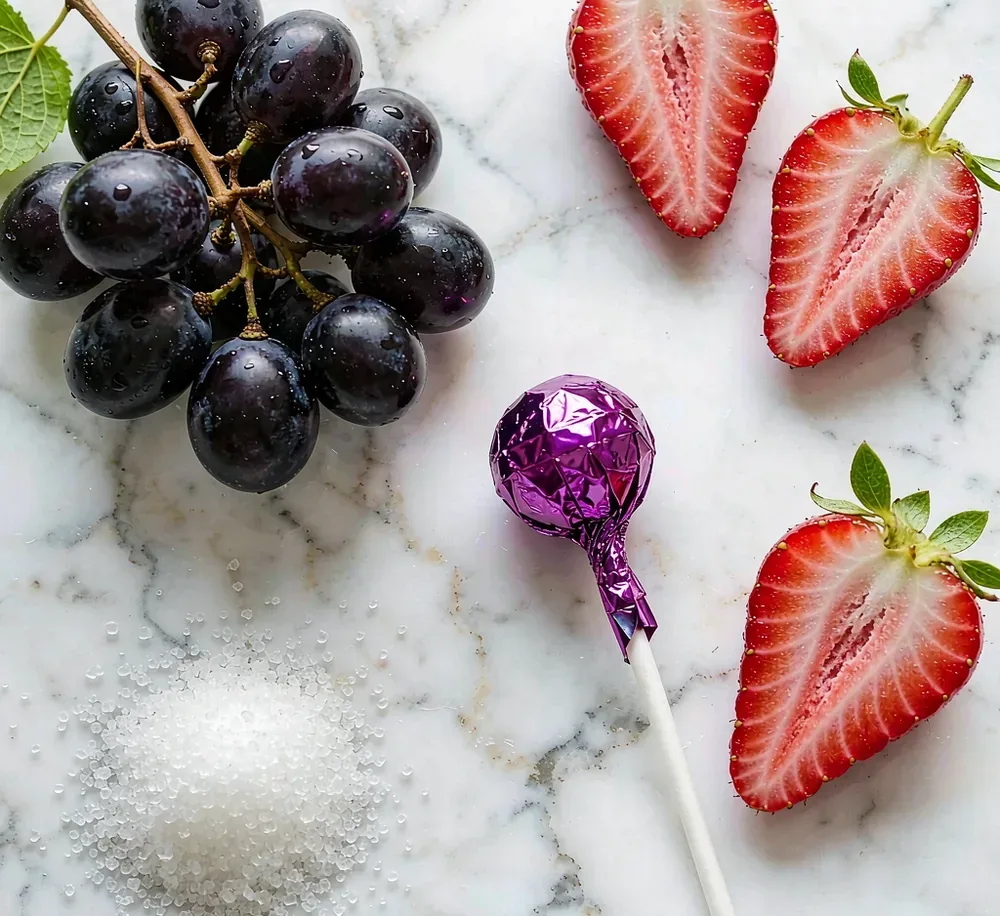
Grapes, strawberries and a candy lollipop on marble, representing fruit-based versus candy-based IGET flavour names
Grape Look-Alikes: Chupa Grape vs Chupa Chupps Grape
The clearest pair is the grape duo. IGET Bar Pro 10000 Chupa Grape and IGET One 12000 Chupa Chupps Grape share the same candy-inspired grape direction but sit on differently tuned devices.
- Base profile: both lean on grape candy rather than fresh table-grape tartness.
- Device tuning: the Bar Pro's tighter draw pushes sweetness forward; the One's airflow gives the same base more room to breathe.
- Takeaway: if you liked one, the other is the natural crossover — but it will not taste identical.
For where that candy note comes from, see what the Chupa Chups-style flavour tastes like.
Strawberry Variants: Same Fruit, Different Recipes
Strawberry appears across several entries too. IGET Bar Pro 10000 Chupa Strawberry takes the candy route, while other strawberry blends usually keep a fruitier, lightly acidic edge. When comparing two strawberry names, check three signals:
- Does one include a candy or brand-style reference? Expect a sweeter, smoother version.
- Does either carry an "ice" suffix? Cooling flattens perceived sweetness.
- Do the devices differ? Coil and airflow shift how the same liquid reads.
The "Ice" Suffix and Other Modifiers
A trailing "ice", "chill" or "cool" does not change the fruit; it adds a menthol-style layer on top. An iced entry and its non-ice twin can share most of the same base yet feel like different products, because the cooling note dominates the exhale. If you dislike menthol, treat every iced variant as a separate decision. Device choice matters too — the same family reads differently on the IGET One 12000 versus the IGET Bar Pro 10000, so compare fairly by holding the device constant.
How to Compare Two Similar Names in Practice
- Strip the modifiers: identify the fruit base first, then note any candy reference or ice suffix separately.
- Match the device: if both options exist on your model, the comparison is mostly recipe; if not, expect draw feel to differ too.
- Read one review line: a short description usually states whether the blend leans tart, sweet or candy-like — exactly the axis the names hide.
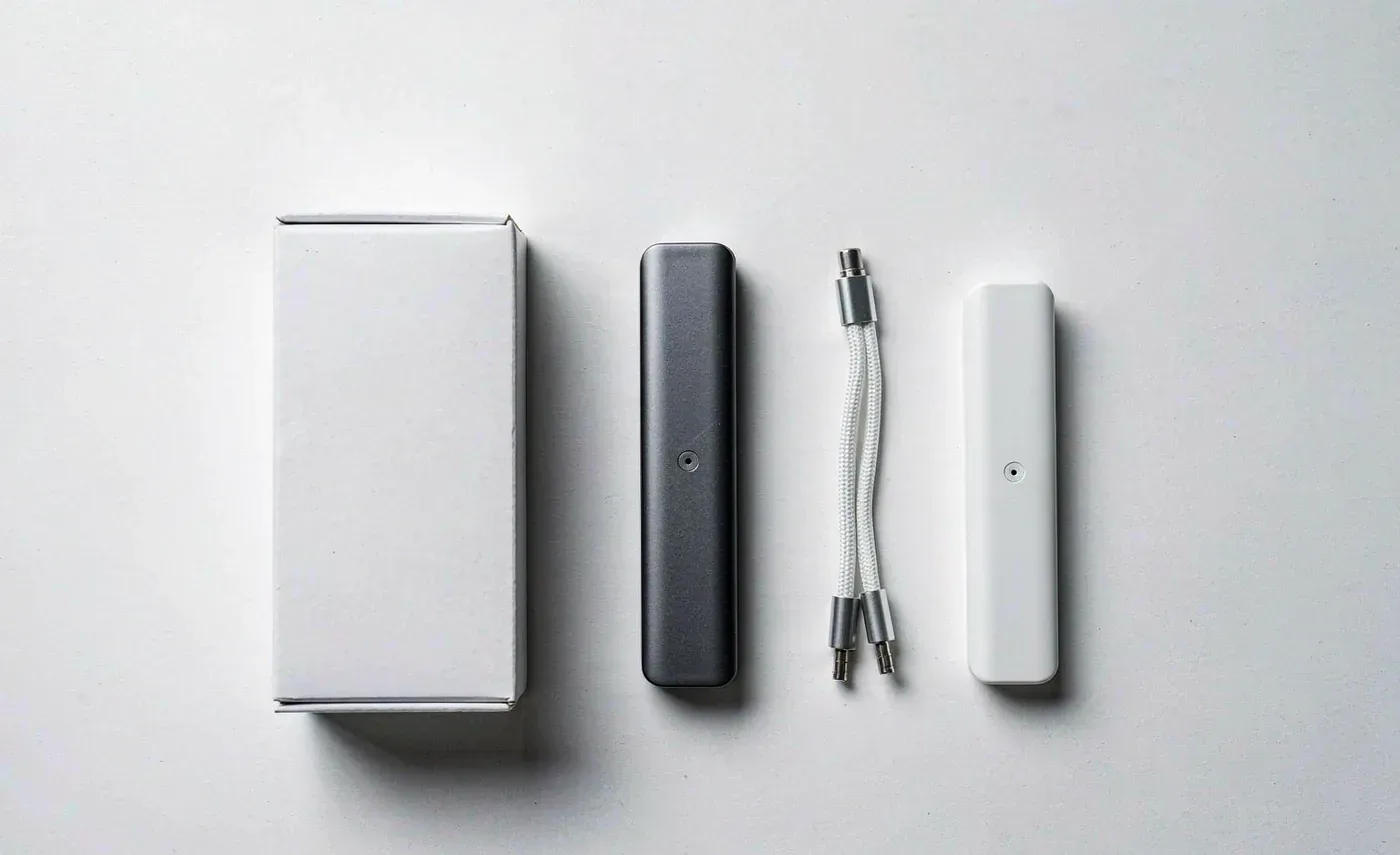
Two IGET devices of different sizes with plain packaging and a USB-C cable, showing why device choice matters when comparing flavours
Quick Questions
Are two similar-sounding flavours ever exactly the same liquid?
Occasionally a variant is re-badged across models, but that is the exception. In most cases the recipes are related rather than identical.
Does a candy reference always mean sweeter?
As a rule of thumb, yes — candy-style blends swap natural acidity for sweetness, most noticeably in the finish.
Which pair should a grape-candy fan try first?
The Chupa Grape and Chupa Chupps Grape pair is the most direct comparison in the current range.
Do ice and non-ice versions share the same base?
Usually they are close relatives — the cooling layer is added to a similar fruit base, which is why the names differ only by the suffix.
Summary
Similar-sounding IGET flavours reward a slow read: fruit base first, candy reference second, ice suffix third, device last. Apply that order and look-alike names become a short list of real differences instead of a wall of near-identical words.
Last updated: November 2026