
If you have not followed the topic closely, the short answer is that Australia moved from a loose grey market to one of the strictest vaping frameworks in the world in just two years. Since 2024, the australian vaping rules have required pharmacy-only supply, plain pharmaceutical packaging, restricted flavours and strict import controls, with each change taking effect on a set date. Here is what happened, when it happened, and what it means for adults who use these products.
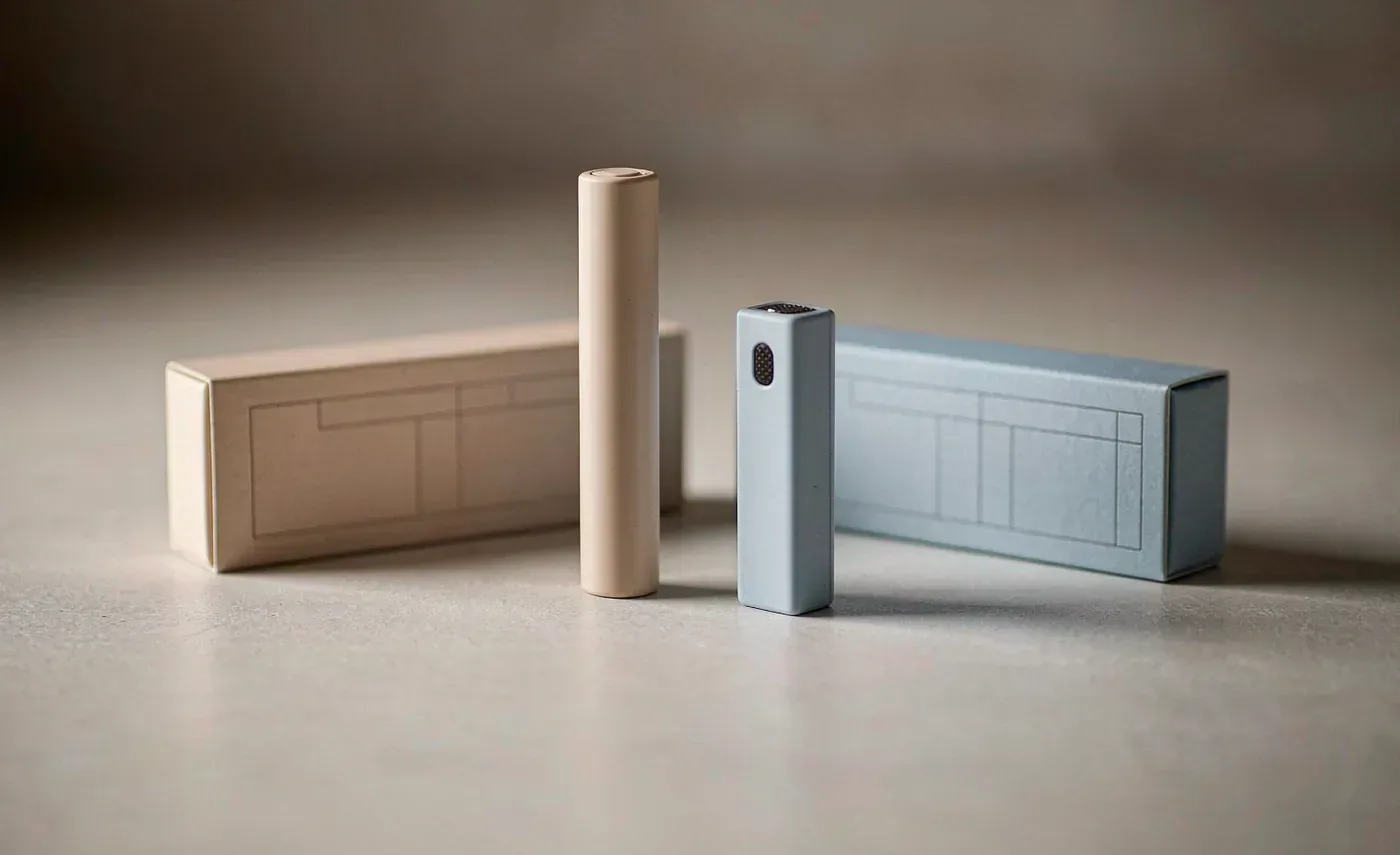
Two devices in plain, pharmaceutical-style packaging — the look required under the current framework.
The reforms arrived in stages rather than as a single law. Each stage tightened a different part of the supply chain: first the border, then the retail channel, then packaging and flavours.
A Timeline of the Main Changes
The key milestones are easy to follow once you know the dates:
- 1 January 2024 — the federal government announced and began enforcing an import ban on disposable vapes, stopping most non-therapeutic devices at the border before they could reach local sellers.
- 1 March 2024 — the import ban extended to all non-therapeutic vapes, whether disposable or rechargeable, closing the gap that let some products through.
- 1 July 2024 — the biggest change: vapes of any kind, regardless of nicotine content, became classified as therapeutic goods. Retail supply moved to pharmacies, and flavours were restricted to tobacco, mint and menthol.
- 1 October 2024 — the final stage took effect, requiring plain pharmaceutical-style packaging, tighter limits on nicotine concentration, and restrictions on product design features.
- 2025 onwards — states and territories added their own enforcement, with penalties for illegal sales, and compliance activity has continued steadily through 2025 and into 2026.
What the Rules Mean for Flavours
The most noticeable change for adult users is flavours. Compliant therapeutic vapes are limited to tobacco, mint and menthol, so the wide candy and fruit ranges common before 2024 are no longer part of the compliant market, and flavour names are now described in plain terms.
For anyone researching what older flavour names actually referred to, our guides such as what Chupa Chups flavour tastes like explain the profiles for reference. Understanding flavour families also helps when comparing IGET Bar Pro 10000 specifications against other ranges, since flavour description conventions changed alongside the rules.

Plain packaging with no lifestyle branding is mandatory for compliant products.
How Devices and Packaging Are Affected
The October 2024 stage is where product design meets the rulebook. Compliant vapes must use plain, pharmaceutical-style packaging with no cartoon imagery or lifestyle branding, and nicotine concentration is capped. Devices themselves face restrictions on design features, and the pharmacy supply model means that product information now focuses on specifications, ingredient labelling and batch details rather than marketing claims.
These packaging and specification rules are worth knowing before comparing any device, whether that is the IGET One 12000 or the smaller Bar Pro range. If you want a broader orientation to the market, our IGET vape Australia guide covers how the ranges fit together under the current framework.
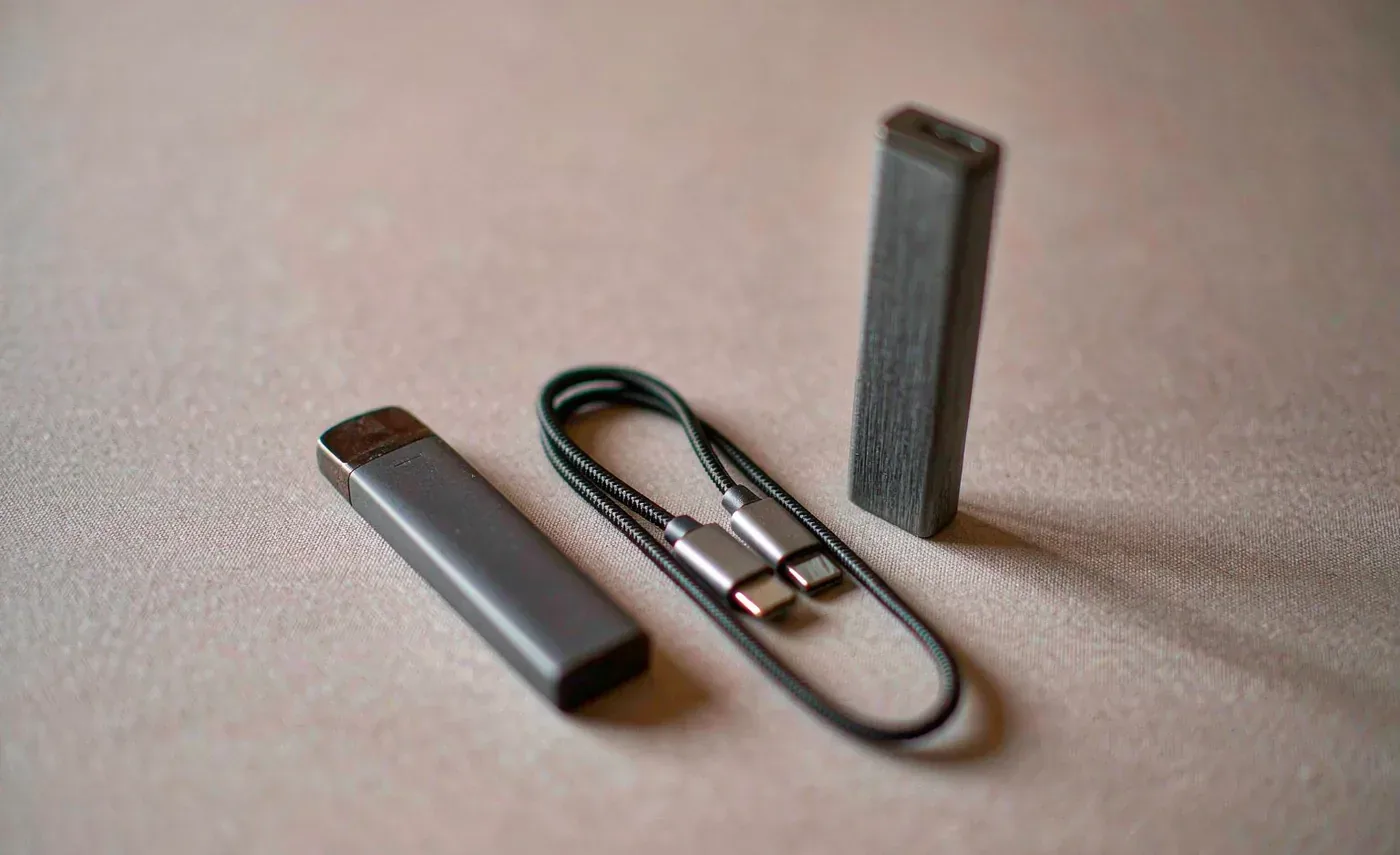
Device size and charging details remain part of specification labelling under the rules.
Enforcement and State-Level Rules
Federal rules set the framework, but day-to-day enforcement is largely a state matter. Throughout 2025, states such as New South Wales, Victoria and Queensland ran compliance operations against illegal sellers, with fines and, in some cases, criminal penalties for repeat offences. The practical effect is that how devices are sold and displayed has narrowed considerably, and enforcement has stayed consistent rather than fading after the initial transition.
Storage and handling rules matter more now as well. Accessories and spare devices kept at home should be looked after properly, and our article on hot weather and vape batteries is a useful reference during Australian summers. General device care, including how long a disposable vape lasts, has not changed with the rules, but responsible ownership is now part of the compliance picture.
What Adults Should Check Before Buying
Given the layered rules, a few simple checks go a long way. Confirm that any product description matches the current therapeutic framework, look for plain packaging rather than branded boxes, and treat any seller claiming exemptions with caution. Official sources such as the TGA website publish the current requirements, and state health department pages list local enforcement rules. When considering any specific product page, including IGET Bar Pro 10000 Chupa Grape or IGET One 12000 Chupa Chups Grape, compare the listed details against the TGA checklist first.
Each stage since 2024 has narrowed what can be sold, where, and how it is presented. Staying informed through official channels remains the most reliable approach, and this page will be updated as further changes are confirmed.
Frequently Asked Questions
When did vapes become pharmacy-only in Australia?
From 1 July 2024, all vapes regardless of nicotine content became therapeutic goods supplied through pharmacies. The transition completed on 1 October 2024 with plain packaging and nicotine concentration limits taking effect.
Are flavours still allowed under the new rules?
Compliant therapeutic vapes are limited to tobacco, mint and menthol flavours. The broad fruit and candy ranges that existed before 2024 are no longer part of the compliant supply channel.
Do the australian vaping rules apply to nicotine-free vapes?
Yes. Since July 2024, the therapeutic goods framework covers all vapes whether or not they contain nicotine, and the import ban applies to non-therapeutic products of any kind.
What penalties exist for illegal sales?
Both federal and state penalties apply. States have issued substantial fines for illegal retail sales, and repeat offences can attract criminal penalties, while border enforcement seizes non-compliant imports.
Last updated: November 2026