
Spotting a fake IGET is less about one obvious giveaway and more about a short set of consistent checks: compare packaging and print with an official listing, look at the build and mouthpiece, confirm the flavour name and puff count match a real catalogue entry, and use a channel that applies age verification. No single observation is definitive, so adult buyers should look for several small inconsistencies together. This guide explains what can realistically be checked at home, what cannot, and when an uncertain product is better left unused.
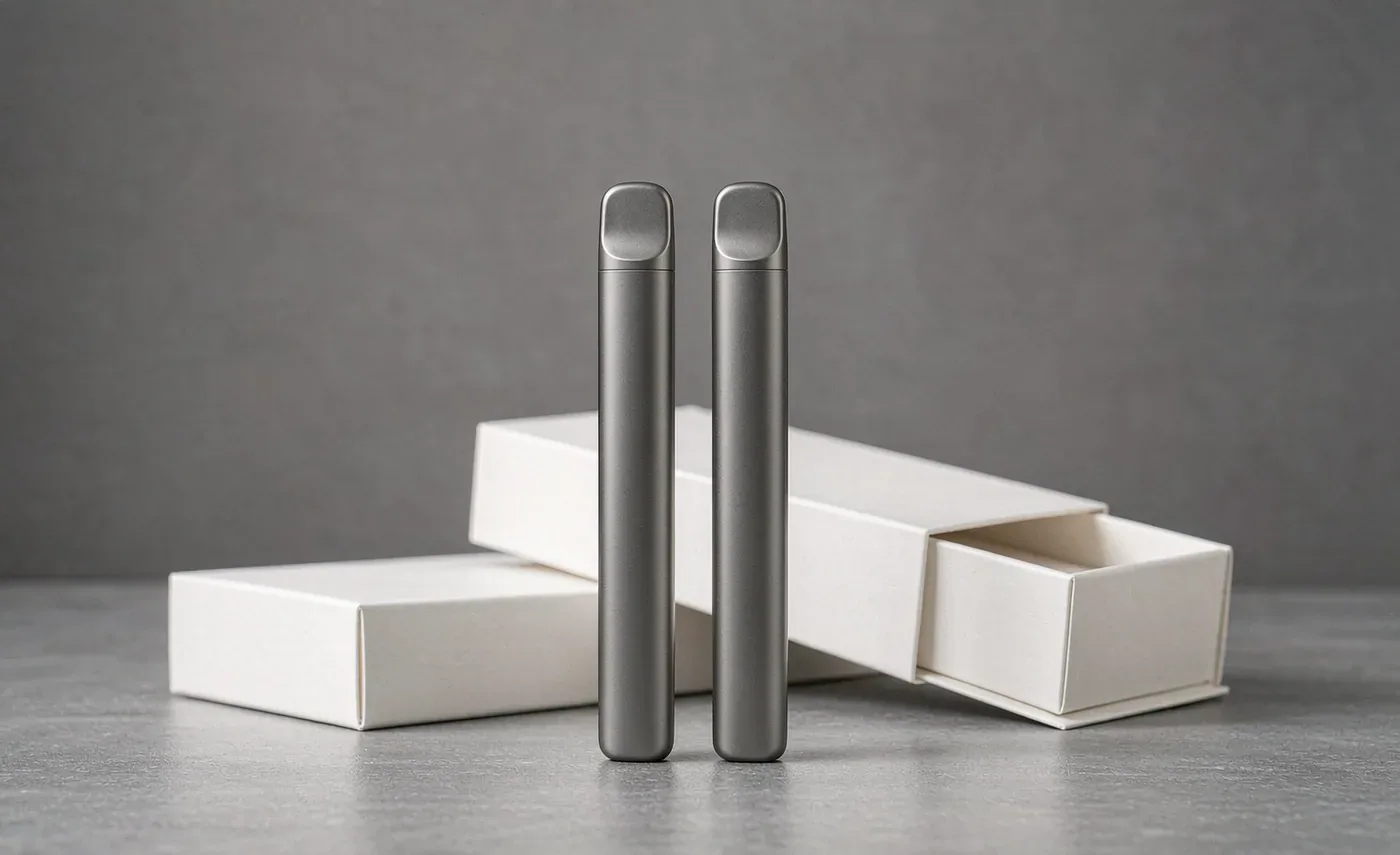
Comparing a device and its packaging with an official listing is the most practical first step in an authenticity check.
Why authenticity is worth checking
Counterfeit products sit outside the record-keeping of a licensed supply chain. For adult users the practical concerns are simple: accurate labelling, traceable handling, and a clear contact if something is wrong. This is not a safety guarantee either way; it is a way to notice mismatches before use. The IGET vape Australia guide and the Australian vaping rules timeline explain the wider setting.
Start with the packaging
Packaging is the easiest surface to examine. Check it in good light against an official product page rather than a social post.
- Print quality: blurred lettering, uneven colour blocks or misaligned text.
- Spelling: flavour and model names should match the catalogue exactly.
- Batch information: production or lot details should be present and legible.
- Seals: a resealed box may show torn tabs or glue marks.
One caution: artwork can change between legitimate production runs, so a different box on its own is inconclusive. Treat it as one signal among several; the notes on IGET Bar Pro flavour names explained show how names are normally presented.
Compare with an official listing
The most reliable reference is the official product page. Compare shape, colour, cap and printed details. The IGET One 12000 is the taller format; the IGET Bar Pro 10000 is shorter and wider. If a seller mixes model names, or quotes a puff count that appears on neither listing, resolve that before use.
Look at the device itself
Examine the body in good light. Look for a consistent finish, even seams and a flush mouthpiece; rough edges, a loose cap or a poorly seated port add weight when other checks already disagree. None of these observations proves anything alone.
Behaviour can be a clue too. A device that arrives flashing, or stops responding quickly, is worth setting aside while you check the source. The guides to why an IGET may not work and what a blinking light means cover common explanations unrelated to authenticity.

Detail checks such as cap fit, body finish and port alignment are useful, but each should be weighed alongside packaging and source checks.
Flavour names and puff counts
Near-miss flavour names are a common signal. The Chupa Chups family appears as IGET One 12000 Chupa Chupps Grape, IGET Bar Pro 10000 Chupa Grape and IGET Bar Pro 10000 Chupa Strawberry. A product sold under a misspelling, or as a flavour outside the range, deserves a closer look. For what these names mean, see what the Chupa Chups flavour tastes like and the IGET flavour range guide.
Flavour names and printed details should match a real catalogue entry; near-miss spellings are a reason to check further.
Price and place of purchase
Where an item was bought is often more telling than the item itself. Authorised channels keep records, apply age checks and can answer questions about an order. A low price from an unfamiliar seller is not automatically a problem, but it removes context. Be wary of sellers who cannot name the model, rely only on private messages, or discourage questions about provenance. The notes on age verification at checkout describe a normal adult sale.
If you still are not sure
When checks disagree and the source cannot be confirmed, the cautious option is not to use the device. Keep the packaging and order record, photograph the details, and contact the seller. If a used device behaves unusually, how long a disposable vape lasts and condensation in vapour devices help separate normal behaviour from something to investigate.
Frequently asked questions
Can a counterfeit look identical to a genuine device?
It can be close enough that a single visual check is not conclusive. That is why the checks are cumulative: packaging print, catalogue match, device finish and purchase source together are more informative than any one feature.
Does a different box design mean the item is fake?
Not necessarily. Artwork and batch details can change between legitimate production runs. Treat a different design as a prompt to compare the other details, not as a verdict on its own.
What should I do if I think I bought a fake?
Stop using it if anything seems unusual, keep the packaging and order record, and contact the seller with photographs and the specific points of concern. A traceable channel is much easier to resolve than an anonymous one.
Can I check authenticity from a product photo online?
Only partly. Photos can show print quality and whether model and flavour names are consistent, but they cannot confirm storage or source. Ask the seller for the exact model name and where the item was supplied.
Last updated: November 2026. This guide offers general observational checks for adult users and makes no claim about product safety; only an authorised channel can confirm provenance.