
If you want to compare puff counts fairly, you have to look past the number on the box and ask how it was measured, what device size it belongs to, and how your own habits translate into puffs per day. Two devices claiming similar counts can deliver noticeably different real-world totals, and two very different numbers can end up closer than they look. This guide walks through the factors that make a fair comparison possible.
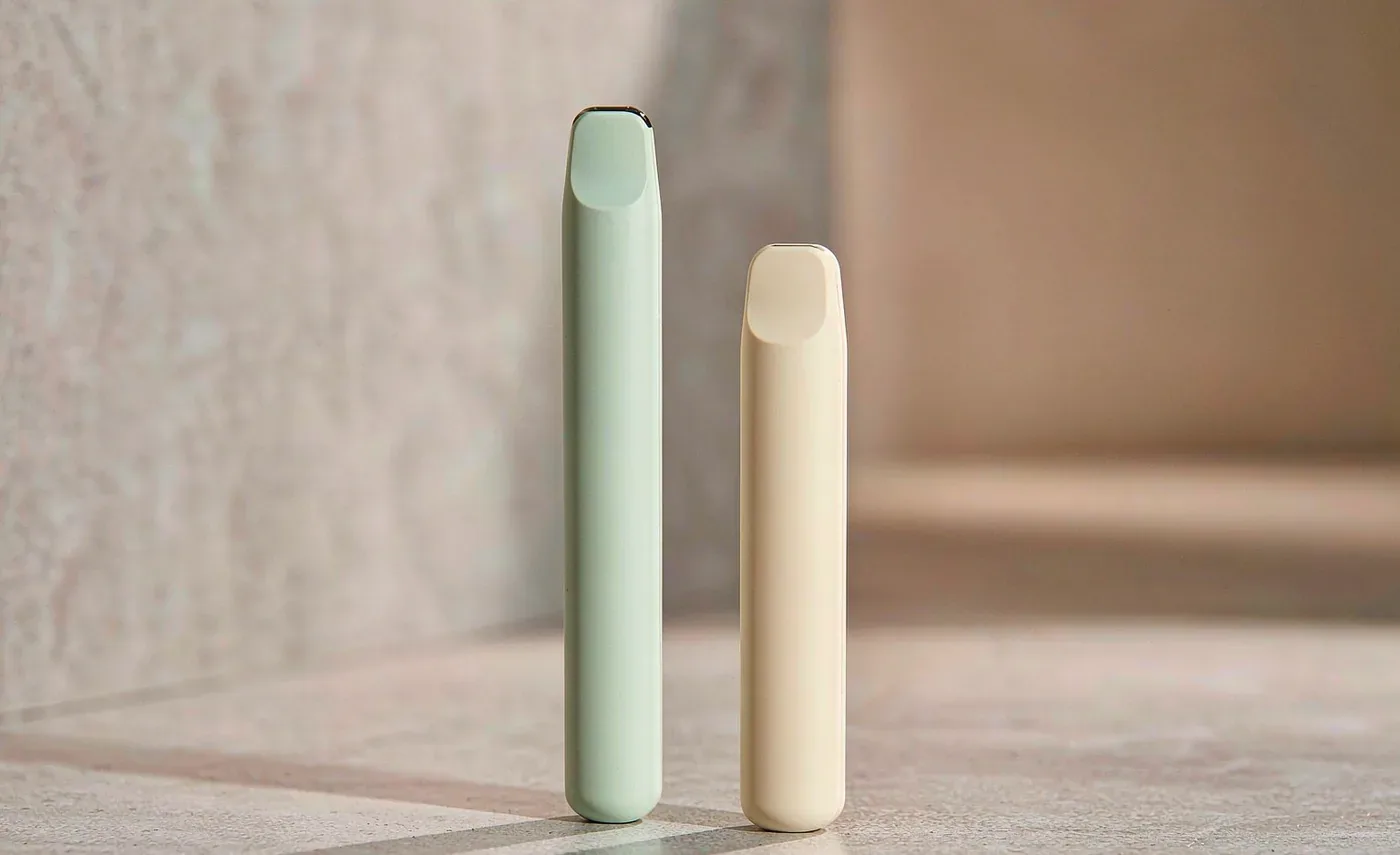
A side-by-side look at the two IGET sizes most often compared on paper.
Why Puff Counts Are Not Apples to Apples
Puff counts are estimates, not guarantees. Manufacturers arrive at them under controlled lab conditions: a fixed puff length, interval, and airflow setting. Real use rarely matches any of those conditions. Someone who takes long, relaxed draws will drain a device faster than the label suggests, while short, quick puffs can stretch it further. That gap between lab conditions and daily habits is the biggest reason fair comparisons matter more than raw numbers.
There is also a practical ceiling: a device only lasts as long as both its e-liquid and its battery hold out, so if either runs empty first the advertised count is unreachable.
How Manufacturers Estimate the Numbers
Most brands base their figures on a machine that draws for roughly one second at a time. The e-liquid volume divided by liquid used per draw gives an approximate total, rounded to a clean figure like 10,000 or 12,000. Coil design, wicking, and airflow change how much liquid each draw consumes, so the same volume can produce different estimates across models.
When you read a spec sheet, treat the count as a relative indicator rather than an absolute promise. A 12,000 figure tells you the device was built for longer service than a 10,000 figure, all else equal; it does not tell you how many days it will last.
Device Size and Liquid Volume Come First
The fairest comparisons start with capacity, not the headline number. The IGET One 12000 carries a larger liquid reserve than the IGET Bar Pro 10000, which is precisely why its count is higher. If one device holds more liquid, more puffs follow naturally; the number is downstream of the hardware.
Flavour endurance matters here too. A device that still tastes clean on day ten is doing more real work than one whose flavour fades early, even if both deliver the same number of draws. Our guides to what affects puff count in real use and how temperature changes flavour cover the practical variables.

Flavour consistency over time is part of what a fair comparison should weigh.
Translate the Number Into Days
The most useful conversion is count divided by your daily usage. If you take around 100 puffs a day, a 10,000 device is roughly a hundred days of service and a 12,000 device about twenty days longer. A heavier user going through 250 puffs daily will see the same gap compressed into about eight days. The relative difference stays constant; the calendar length changes with your habits.
This is also where specs become a buying decision. If the difference works out to only a few days for your usage, factors such as flavour range or draw feel deserve more weight. Our earlier breakdown of 10,000 versus 12,000 puffs applies exactly this arithmetic.
What a Fair Comparison Actually Weighs
- Estimated puff count under standard conditions, taken as a relative indicator.
- Liquid volume and battery size, which set the physical ceiling on the count.
- Draw style, since long draws consume liquid faster than short ones.
- Flavour endurance across the device's life, not just on day one.
- Charging convenience, where a rechargeable Bar Pro in Chupa Grape or a Chupa Chupps Grape One 12000 can matter as much as the headline number.
Reading specs without the marketing framing is a skill; the checklist in our guide to what Bar Pro specs actually tell you is a good template for any model.
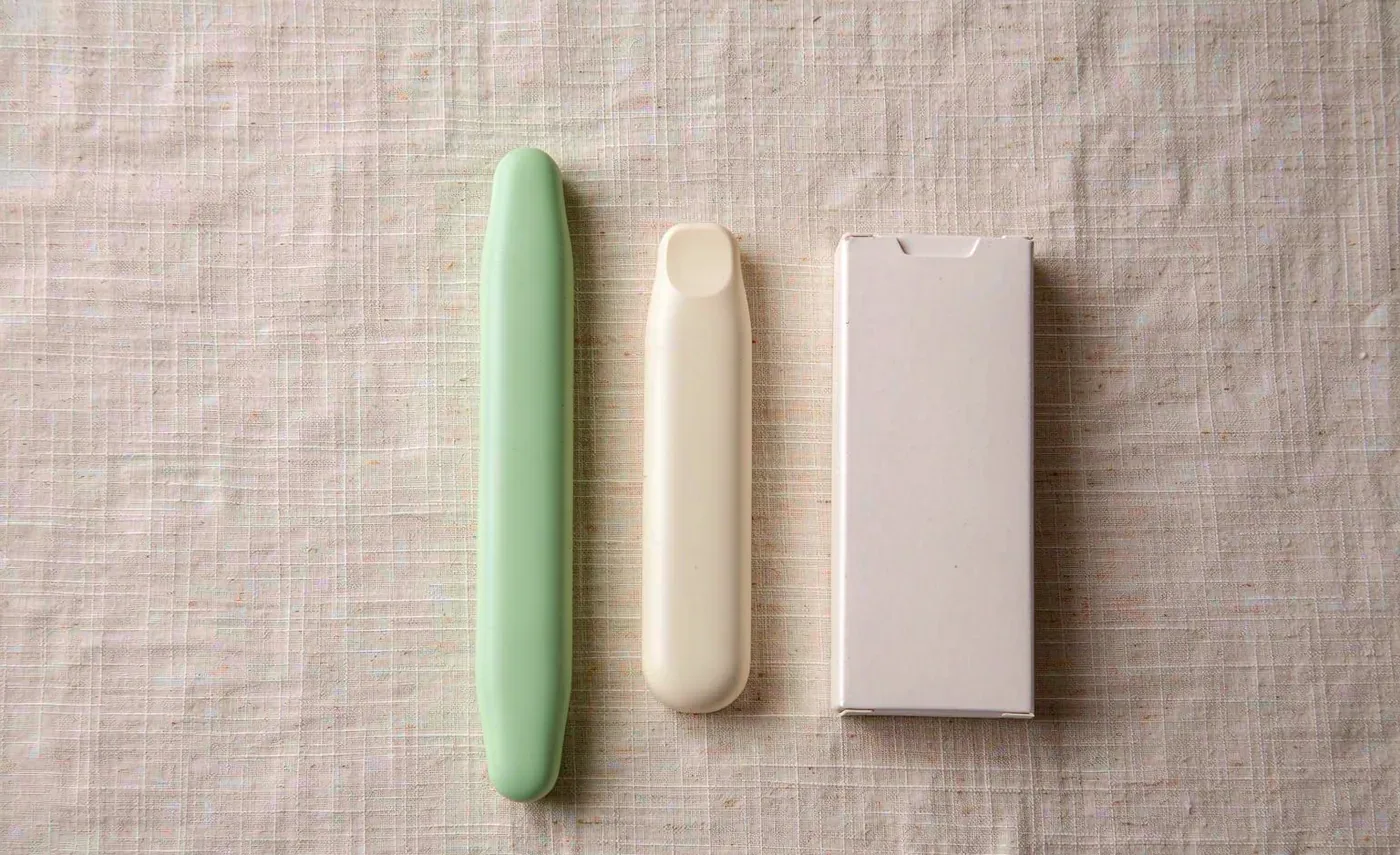
Physical differences between models are often more informative than the printed counts.
Putting It Together
A fair comparison starts with the printed count, then adjusts for liquid volume, draw style, and flavour endurance before converting the result into days of use at your own pace. The number that matters least is the one printed largest on the packaging. If you are weighing models right now, browsing the full IGET flavour range alongside the counts usually settles the decision faster.
Frequently Asked Questions
Are higher puff counts always better?
Not necessarily. A higher count means a larger device, but it does not guarantee better flavour or a better draw. If your usage is light, the extra capacity may simply sit unused.
Why does my device run out before the advertised count?
Lab estimates assume one-second draws at regular intervals. Longer draws, frequent use, and storage conditions consume liquid faster, and a device can also stop early if the battery depletes first.
How accurate are 10,000 and 12,000 figures in daily use?
Treat them as relative size indicators rather than exact totals. Most users land somewhere between sixty and eighty per cent of the printed figure, depending on draw length and frequency.
Should I compare counts across different brands?
Cautiously. Different manufacturers use different testing assumptions, so cross-brand counts are rough guides at best. Within one brand's range the numbers are more directly comparable.
Last updated: November 2026