
Knowing when to stop using a disposable vape comes down to reading the device rather than the box. Stop when the vapour turns harsh or burnt, when output drops to almost nothing, when the shell is cracked, leaking or unusually warm, or when the rated puff count is spent — whichever happens first. The number on the packaging is a laboratory figure, not a schedule.
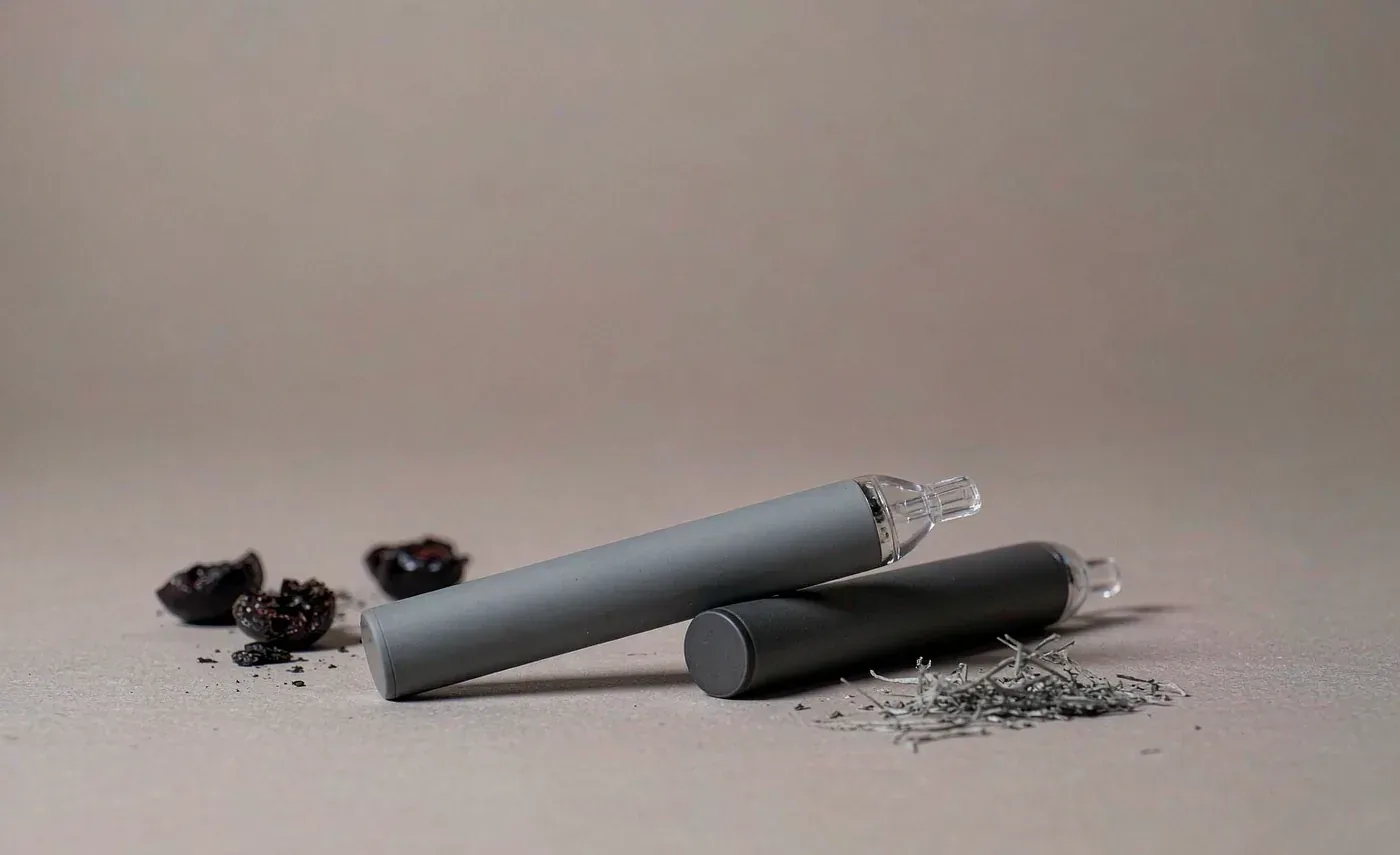
Two retired devices with the fruit long gone: the clearest sign that a disposable has reached its stop point.
The four signals that matter most
A disposable has no screen or percentage readout, so the useful information arrives as behaviour changes. Four signals cover almost every end-of-life case:
- Taste: the flavour flattens, then turns dry, then burnt.
- Output: vapour volume falls away and the draw feels thin.
- Condition: cracks, loose mouthpiece, leaking seams, condensation in the air path.
- Heat: the body warms faster than it used to, or warms while idle.
Any one of these is a reason to stop; two together is conclusive.
Taste is usually the first warning
E-liquid runs out before the battery does on most devices, and the wick suffers first. When the cotton stops being fully saturated it scorches instead of vaporising cleanly, which is why the last day often tastes like caramel or paper rather than fruit. That burnt note is the device running dry, not a flavour variation. If the taste has changed but output is normal, the guide to burnt taste from an IGET sets out the difference between a genuinely empty device and one that is only struggling temporarily.

A scorched wick under a lens: once the cotton browns, the burnt taste will not recover.
When the output drops but the light still works
A weak vapour stream with a healthy battery usually means the liquid is gone, not a fault. On rechargeable models it can also mean the cell has aged: it accepts charge, the indicator behaves normally, and the device produces almost nothing. The blinking light guide explains which patterns point to a flat battery and which to a device at the end of its life. If it will not accept a charge at all, the charging checklist is the better place to start.
Damage, leakage and heat: stop immediately
Some conditions are not a preference. Stop and set the device aside if you notice any of these:
- Leaking from the seams or mouthpiece that cleaning does not stop — see the leaking causes and fixes guide to separate condensation from a failed seal.
- A body that is visibly swollen, deformed or cracked.
- Heat while idle, or heat that persists after charging ends.
- Any sign of auto-firing — vapour produced without a draw.
- A mouthpiece that no longer fits securely.
These are physical failures, not wear, and the remaining puffs are not worth them. Keep the device away from anything flammable until you can dispose of it.
What the puff count actually means
Ratings of 10,000 or 12,000 puffs are measured under fixed laboratory conditions: a set draw length, interval and temperature. Real use rarely matches. Longer draws, frequent use and cold weather shorten the effective count, which is why two people can finish identical devices a week apart. The comparison of 10,000 versus 12,000 puffs shows where the difference appears in practice, and the guide to how long a disposable lasts turns the rating into realistic days.
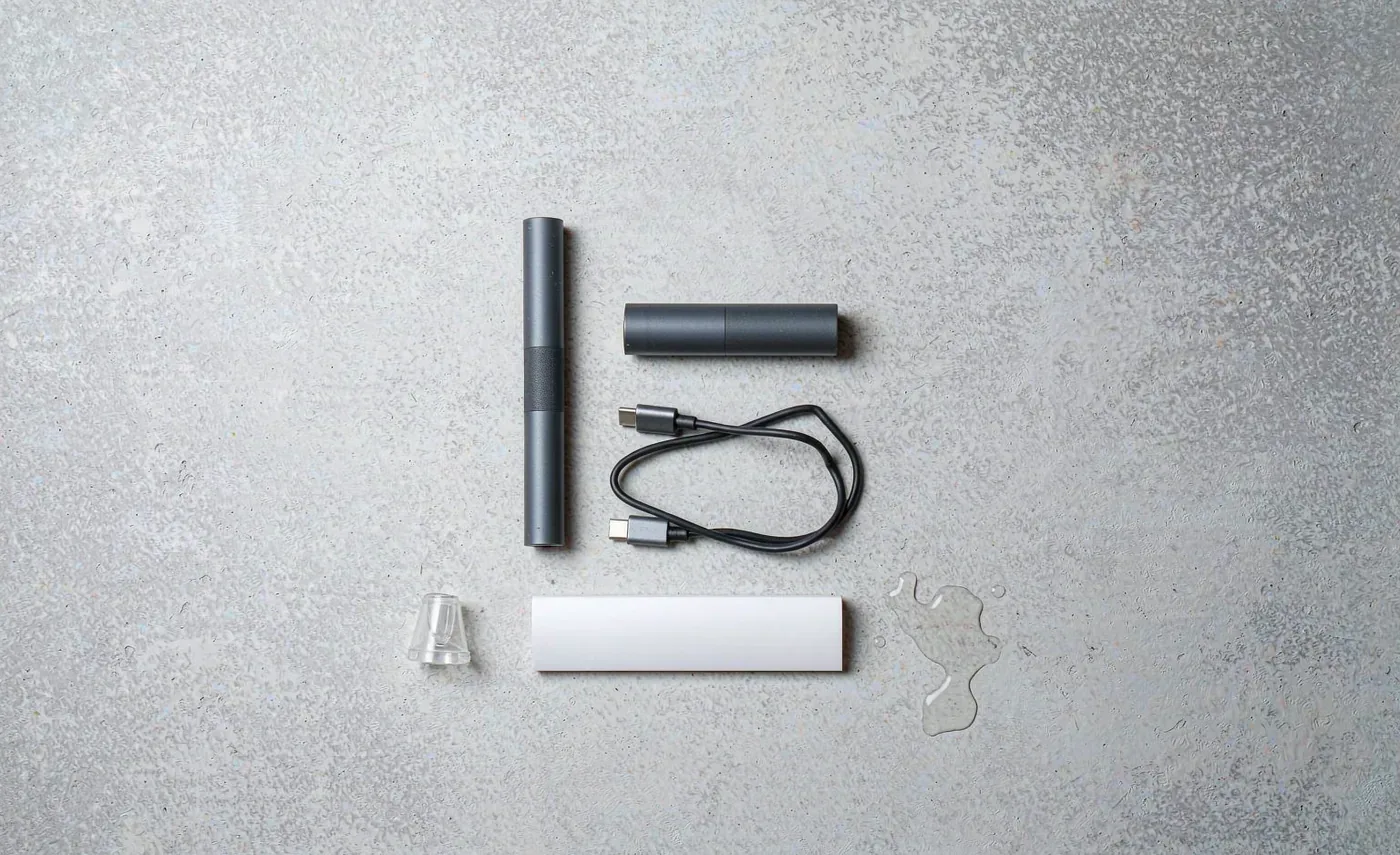
Size and charging details side by side: the taller body and the shorter bar, both with USB-C.
Treat the rating as a ceiling, not a target: if it still tastes clean at 80 per cent of its count, keep going; if it turns at 40 per cent, stop.
Ending a device properly
A device at its stop point should not be kept "for later". Seals degrade, leftover liquid oxidises, and a flat cell in a drawer is a storage problem, not a spare. Do not recharge it, and do not open the shell. In Australia, devices and batteries belong at a battery or e-waste collection point, not the general bin.
If you are replacing a device, the two current models are the IGET One 12000 in the taller body and the IGET Bar Pro 10000 in the shorter, wider format. Neither is more durable; the choice is draw style and pocket fit.
If the question is about stopping entirely
Retiring one device is not the same as stopping nicotine altogether. If the second is your goal, tapering with a lower-strength product and longer gaps between draws is usually easier than stopping abruptly. Beyond that, a pharmacist or quitline service is a better source of advice than a product page.
Frequently asked questions
How can I tell if my disposable is empty or just low on battery?
A weak but clean-tasting draw points to a low battery; a harsh or burnt taste with normal output points to an empty device. On a rechargeable model, charge once and reassess; if it is still burnt, the liquid is gone.
Is it safe to keep using a device that tastes slightly burnt?
Not really. A mildly burnt note means the wick is running dry, and the taste gets worse rather than recovering. Little is left to gain from the remaining puffs.
Should I always use a device until the puff count runs out?
No. The rating assumes ideal conditions, and devices often stop tasting right before the number is reached. Condition and taste are more reliable than arithmetic.
What should I do with a device that has leaked or swollen?
Stop using it, keep it away from heat and flammables, and take it to a battery or e-waste point. Do not charge it, open it or bin it.
Last updated: November 2026